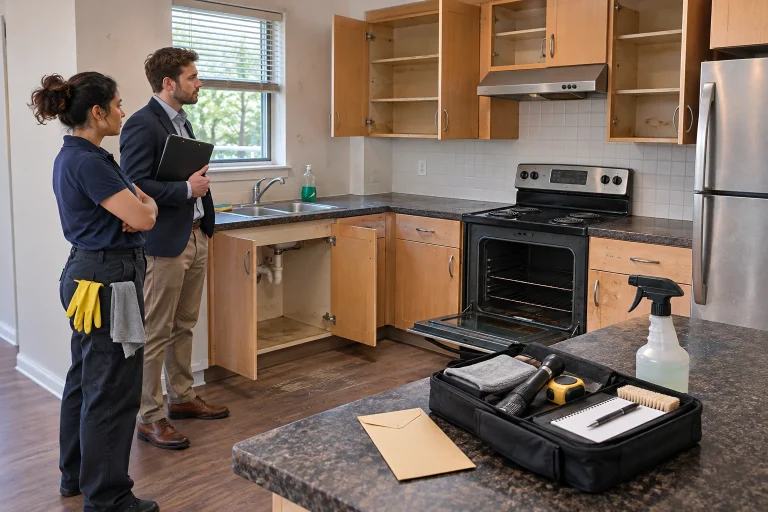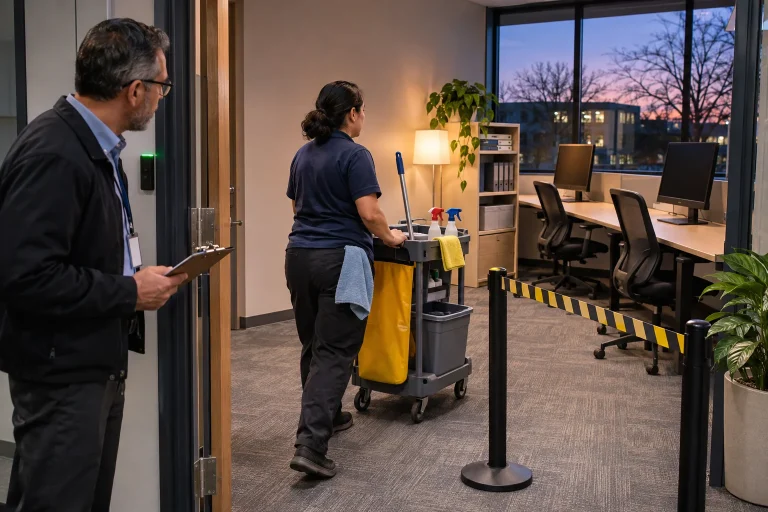
A residential cleaning business starts with a repeatable visit customers understand and workers can deliver safely. Define the rooms, tasks, condition assumptions and exclusions before choosing packages or equipment. Recurring work can be appealing, but the model depends on reliable access, practical routes and enough time to complete the promised visit.
Choose a manageable household offer
Separate routine maintenance cleaning from first visits, intensive cleaning and specialist work. A regularly maintained kitchen is a different job from one requiring extensive buildup removal. Write a room-by-room task list and specify whether customers must clear surfaces, arrange pet access or provide parking.
Choose the initial customer fit deliberately. Small homes in one compact area may suit an owner working alone. Larger properties with narrow arrival windows may require a team. Neither model is automatically better; the useful question is whether the available people, transport and schedule fit the promised service.
- Included rooms and tasks, with a clear condition assumption.
- Optional work that needs a separate assessment.
- Access, alarm and pet arrangements approved by the customer.
- Items the cleaner will not move or handle.
- How customers report a missed task or concern.
Build costs around the whole visit
Measure labor, travel, loading, supply preparation and cleanup separately. If two people work for two hours, that is four labor hours before travel. An owner should include their own work time in the planning model rather than treating it as free.
List consumables, equipment replacement, vehicle costs, insurance quotes, payment charges and administrative time. A household’s size is useful context, but condition, clutter, stairs, bathrooms and access can change the work substantially. Decide which details require a walkthrough or another approved assessment before quoting.
For a hypothetical schedule, assume a cleaner has seven working hours available, including travel and preparation. Two visits requiring two and a half hours each, plus an hour of combined travel and an hour for preparation and administration, use that day. This arithmetic illustrates capacity; it does not establish market prices or likely earnings.
Make product and task boundaries explicit
OSHA and NIOSH’s cleaning-chemical guidance explains that cleaning products can create hazards and that training, labeling and appropriate handling matter. Build product training and access to relevant safety information into the operating plan before assigning work. Do not improvise chemical combinations or assume a familiar household product is suitable for every surface.
EPA’s Safer Choice program can help identify products that meet its criteria. Using a labeled product does not certify the cleaning business or make every use harmless. Describe product choices accurately and avoid unsupported disinfecting, allergy or health claims.
Keep mold remediation, biohazards, pest treatment and other specialist tasks outside the ordinary offer unless the business has the relevant qualifications, controls and coverage. Check business registration and local requirements through official sources for the actual operating location. Have an insurance professional assess the planned services rather than requesting a generic policy without explaining the work.
Validate a route before expanding
Use a small paid pilot only after required setup and safety arrangements are ready. Choose customers who fit the intended property type and area. Track quoted scope, actual labor time, travel, supply use, access delays and any return visit. Ask whether the customer understood the inclusions before evaluating their satisfaction.
In an illustrative pilot, suppose three homes have similar floor areas but one takes an extra hour because surfaces are not cleared. The useful response is to revisit preparation instructions and quoting assumptions. It is not to conclude that every home of that size should take the same time.
Set a decision rule before adding more bookings. Continue only when the scope can be delivered consistently, the full cost model makes sense at prices customers accept, and the route leaves capacity for ordinary disruption. A crowded calendar that depends on skipping tasks is evidence to change the offer or schedule.
Keep a simple property record with customer-approved access instructions and relevant surface information, protecting private details appropriately. Update the visit checklist when the customer changes the scope. Clear boundaries and measured visit data provide a more dependable foundation than buying a large range of supplies before understanding the work.
Decide whether the business supplies equipment or uses equipment already at the property. Customer equipment can introduce condition, maintenance and consistency questions; business equipment creates transport and replacement costs. Record the chosen arrangement in the visit scope. If customers request a particular product, assess whether it fits the surface, worker training and operating process before agreeing.
For repeat work, review the first visit separately from the maintenance schedule. Record which tasks establish the initial condition and which keep it maintained. That distinction helps explain a revised quote when visits become less frequent or the household changes the included rooms.