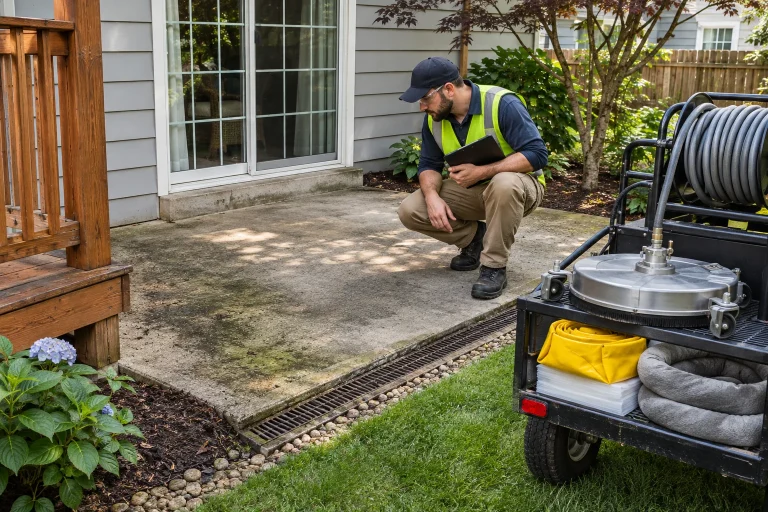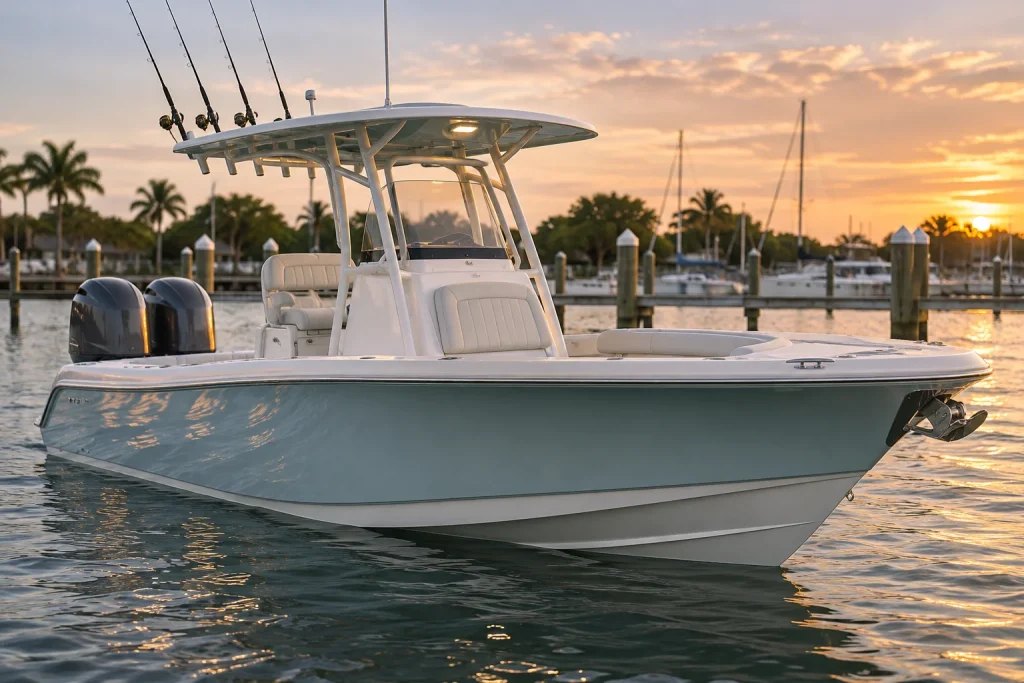
Before accepting a boat detailing job, confirm where the boat will be, who controls access and which work the marina permits at that location. The owner’s request is only one part of the operating plan. A berth, a storage rack and a designated wash area can support very different work.
Build the offer around specific surfaces and approved tasks, not a general promise to detail any boat wherever it sits. This is a service-planning guide, not instruction for hull treatment, work at height, diving, electrical work or pollution control. Those activities require their own competence, procedures and applicable permissions.
Get owner and facility permissions separately
Identify the person who can authorize work on the vessel and the person who can authorize contractor activity at the facility. Ask the marina about check-in, permitted service hours, loading, vehicle access, contractor requirements and the work area. Record the answer for the actual planned job; a previous visit to another berth is not confirmation for this one.
Florida’s Clean Marina Program is a voluntary facility designation with environmental operating practices. It illustrates why a marina may maintain detailed conditions beyond an owner’s personal preferences. Participation by a facility does not award an independent detailer a credential, and the Florida program does not establish the rules for every marina elsewhere.
Do not arrange entry around a borrowed access code without the facility’s knowledge. Confirm who will meet the worker, how the vessel will be identified and what happens if the berth changes. Keep access information controlled and separate from public job notes or marketing photographs.
Write down the boat’s location and condition
A useful job record includes the vessel identifier agreed with the owner, boat type, approximate size, assigned berth or work area, requested surfaces and known condition concerns. Ask for current photographs that show the work location as well as the boat. A close-up of a stained seat does not show whether the crew can reach the vessel through an occupied dock.
Record finish and material information from the owner or available manufacturer documentation. Separate confirmed information from an uncertain description. If the surface cannot be identified well enough to choose a suitable service, leave that task pending assessment. Do not convert a request to remove staining into an unapproved restoration, coating or abrasive treatment.
| Scope item | Decision to record |
|---|---|
| Accessible above-water surfaces | Exact areas included and how access will be assessed |
| Interior spaces | Owner access, personal belongings and excluded compartments |
| Existing damage or uncertain finish | Photographs, owner information and whether assessment is required |
| Underwater or specialist work | Excluded or separately referred; never assumed part of detailing |
Resolve the water and waste arrangements before quoting work
Ask which washing methods and products are permitted, where any wash water can go and whether the work must take place in a designated area. Do not assume a nearby drain accepts the discharge or that a product description authorizes its use over water. Obtain the relevant site instructions and, where needed, clarification from the facility or appropriate local authority.
The Florida Clean Marina best management practices discuss pollution from boat cleaners, restrictions on in-water cleaning activities and capturing wash water. Their boat-cleaning sections support treating the work location and waste route as core scope decisions. They are not a substitute for checking the requirements for a particular vessel, product or jurisdiction.
If the confirmed arrangement does not support the requested task, propose a suitable approved work location or decline that part of the job. Do not rely on the customer signing a general approval to resolve an environmental or access restriction. Keep evidence of the facility’s approval with the job details so a worker can check it before departure.
Schedule the entire access cycle
Dockside jobs can include parking, checking in, moving permitted supplies to the vessel, waiting for an escort and returning equipment to the vehicle. Build those steps into a trial schedule. A sequence that only measures cleaning time can leave the crew rushing the handover or missing a facility closing time.
For example, a hypothetical visit might allow 20 minutes for entry and unloading, 15 minutes for the access walk and scope check, 100 minutes for approved work and 15 minutes for closeout. That is 150 minutes, or two hours and thirty minutes, before any additional travel. These invented durations illustrate scheduling; they are not a standard detailing rate or a promise about any vessel.
Agree how weather or changed site conditions affect the appointment. The decision to postpone should follow the service’s trained operating limits and facility rules, not pressure to preserve the calendar. Tell the customer who makes that decision, when they will be notified and how the next suitable slot is arranged.
Use a controlled closeout instead of a broad finish claim
Before leaving, record the agreed areas completed, any omitted tasks and any condition requiring the owner’s attention. Return keys or access items through the agreed process. With permission, take completion photographs focused on the work rather than personal property, people at the marina or nearby identifying details.
Ask the authorized customer contact to review the completed scope, not to certify technical matters outside their expertise. If a stain, defect or inaccessible area remains, describe it plainly. Keep product and job records needed for a later question, while avoiding unnecessary retention of access credentials. An honest detailing service is defined by work that can be permitted, reached and delivered reliably at the actual site.