Ecommerce
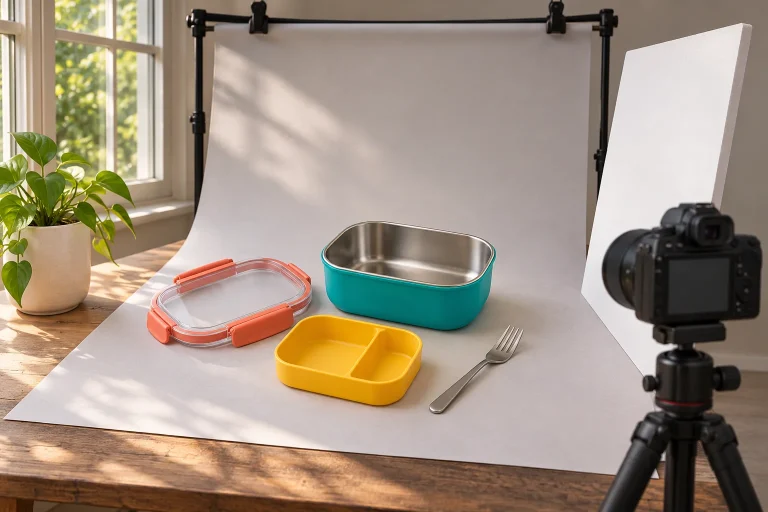
Plan Product Photography on a Modest Budget Without Hiding Important Detail
Create a repeatable, affordable photo setup that shows product scale, condition, contents, and variants accurately.
Products, suppliers, storefronts, and the numbers behind online retail.
Create a repeatable, affordable photo setup that shows product scale, condition, contents, and variants accurately.
Plan a limited stock test that distinguishes real buying evidence from compliments while controlling cash and learning from unsold units.
Compare control, discovery, customer relationships, account dependency, and the real cost of operating each ecommerce route.
Select one initial sales channel by checking product eligibility, customer buying habits, operating workload, and order-level economics.
Compare cash exposure, control, order handling, and recovery for one product rather than assuming either fulfillment model is always cheaper.
Choose an initial assortment that serves one use case and shares manageable fulfillment conditions instead of importing an entire supplier feed.
Define stock-feed meaning, freshness, variant mapping, and supplier acceptance so a connected app does not become an unsupported availability promise.
Separate the customer remedy, physical return route, and supplier claim so one unresolved approval does not hide the rest of the work.
Build delivery estimates from order acceptance, processing, carrier transit, and known exceptions rather than repeating a supplier shipping headline.
Calculate contribution per order using supplier cost, shipping, fees, acquisition, and recovery assumptions before interpreting revenue as profit.
Use representative sample orders to compare the actual product, packaging, and delivery process with the promise your store intends to make.
Check identity, fulfillment capability, product evidence, stock information, and recovery arrangements separately instead of relying on a badge or low quote.