Operations
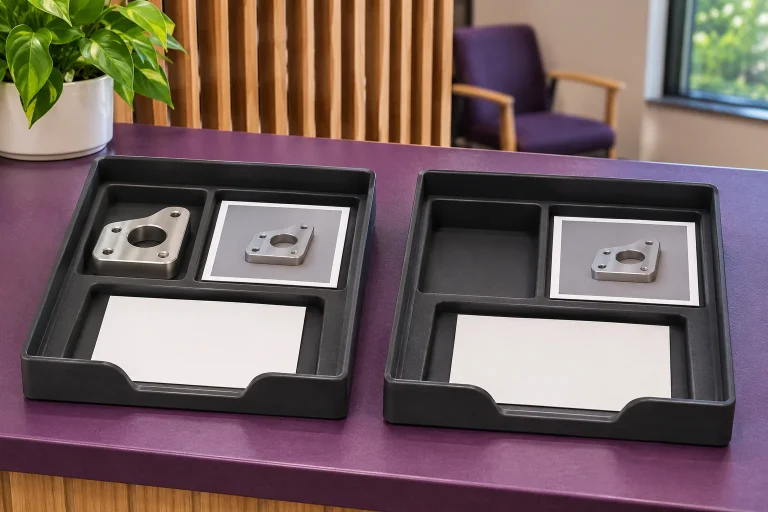
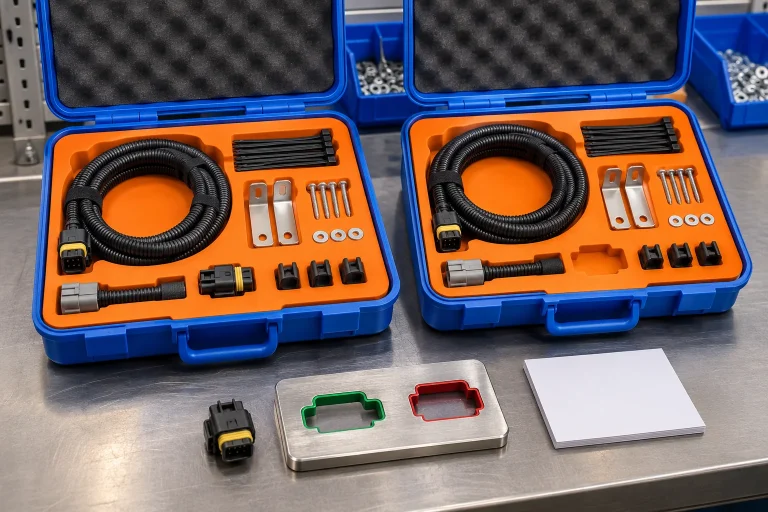
Write Acceptance Checks That Make Operational Quality Observable
Turn vague instructions such as “check everything” into a short set of observable conditions at the point work changes hands.
Make the work clearer, simpler, and easier to repeat.
Turn vague instructions such as “check everything” into a short set of observable conditions at the point work changes hands.
Record corrections consistently, separate symptoms from possible causes, and choose one process change to investigate.
Trace a small sample of work through its actual stages to distinguish processing time, waiting, and repeated work.
Use business impact, time sensitivity, dependencies, and explicit tradeoffs to decide which internal work moves first.
Give internal requests one visible entry point, clear requirements, and an accountable next step without building a complicated help desk.
Create a metric dictionary that fixes the population, formula, clock, exclusions, and reporting cutoff behind each operating score.
Treat a schedule change as a coordinated update to resources, affected work, records, and acknowledgments, with special care for recurring visits.
Give operational documents one current location, a clear release state, and a practical process for drafts, revisions, and printed copies.
List the assets, operating knowledge, open work, and acceptance checks needed when a supplier hands a service to another provider or your team.
Document the trigger, owner, backup, evidence, and missed-run response for repeating work before choosing reminder software.
Give unusual operating problems a visible owner, next action, review time, and closure test so they do not disappear into messages.
Compare usable time with committed demand by skill and equipment, then resolve the actual constraint before accepting another job.