Sales & Customers
Route Inbound Inquiries to the Right Person Before They Get Lost
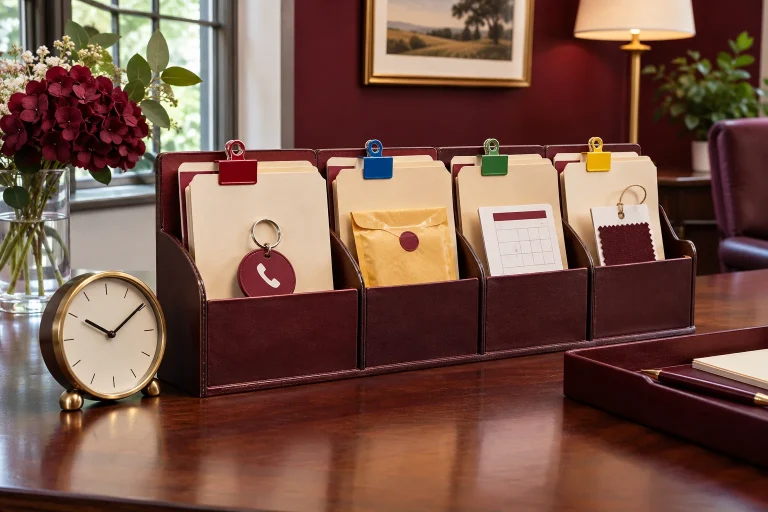
Create a simple routing order for new inquiries, existing customers, specialist requests, and exceptions, with a named fallback owner.
Turn good inquiries into lasting customer relationships.
Create a simple routing order for new inquiries, existing customers, specialist requests, and exceptions, with a named fallback owner.
Turn incoming feedback into a clear response, an assigned improvement where warranted, and a record showing what the customer was told.
Review the value delivered, unresolved issues, changing needs, and decision process before asking an existing customer to renew a service agreement.
Use an accurate attendance record and a short rescheduling message to recover a requested consultation while respecting the buyer’s circumstances.
Give a complaint a clear owner, a fact-based response, and an agreed resolution path while keeping the customer informed about what happens next.
Turn a new-client kickoff into a working agreement about goals, responsibilities, dependencies, communication, and the first concrete milestone.
Transfer the customer’s goal, approved scope, open questions, and responsibilities before introducing a new delivery contact.
Clarify whether the buyer is concerned about affordability, comparison, uncertainty, or scope before deciding whether to change a service offer.
Separate a genuine timing dependency from unresolved questions, then agree on a respectful next step for an existing inbound opportunity.
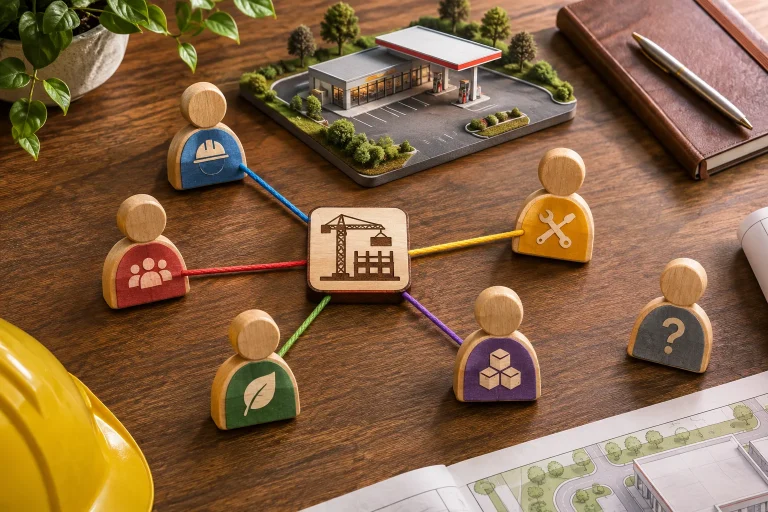
Build a simple map of the people who use, approve, fund, and support a proposed service so your buyer can reach a coordinated decision.
Use a short proposal review to confirm assumptions, work through tradeoffs, and agree on the next buying decision without reading every page aloud.
Create a practical follow-up plan for inbound inquiries with clear owners, purposeful actions, and accurate records instead of repeated generic chasing.