Start a Business
Choose Startup Vendors Around the First Real Order
Compare suppliers using a defined need, verifiable identity, a representative small order, and the support required when delivery goes wrong.
Find an opportunity. Test the idea. Plan your next move.
Compare suppliers using a defined need, verifiable identity, a representative small order, and the support required when delivery goes wrong.
Define how records enter the books, who reviews them, and how balances are reconciled before choosing software or handing everything to an accountant.
Give a licensed insurance professional an accurate description of the work, locations, property, people, and customer obligations before comparing proposals.
Research permissions by activity and location, record official answers, and keep applications separate from approvals.
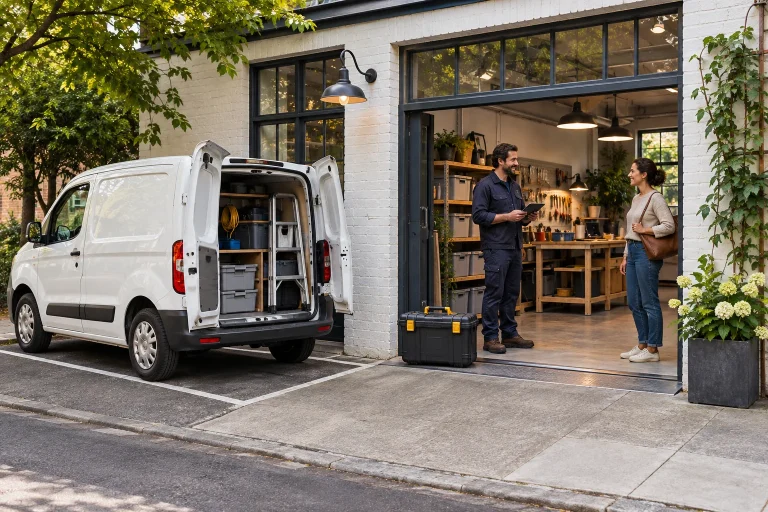
Compare customer access, travel, setup, storage, scheduling, and location constraints before choosing a vehicle-based or premises-based model.
Design a short retail or service appearance around one learning objective, realistic costs, and a clear record of customer behavior.
Work backward from customer buying dates, distinguish preparation from selling, and plan what happens when the season ends.
Compare actual support, required spending, operating control, local demand, and exit conditions instead of assuming a familiar brand removes risk.
Build an evidence request around what is being sold, how the business earns, what depends on the seller, and what needs professional review.
Separate opening commitments, recurring expenses and per-sale costs, then map when cash actually leaves the business.
Design a small, honest offer test with clear scope, delivery requirements and a decision rule before taking payment.
Put the customer, offer, delivery method, economics and next test on one page with assumptions clearly marked.