A personal errand service needs a clear task list, customer authorization and a controlled way to handle spending and handover. Start with errands the business can competently complete, such as approved shopping or eligible parcel collection. Keep transport of people, personal care and other regulated services outside the offer unless separately qualified and authorized.
Define the task and the customer’s authority
Ask what must be collected, purchased, returned or delivered, from where and by when. Record who may authorize changes and what evidence of completion the customer expects. A vague request to sort things out can create spending and privacy questions that should be resolved before travel.
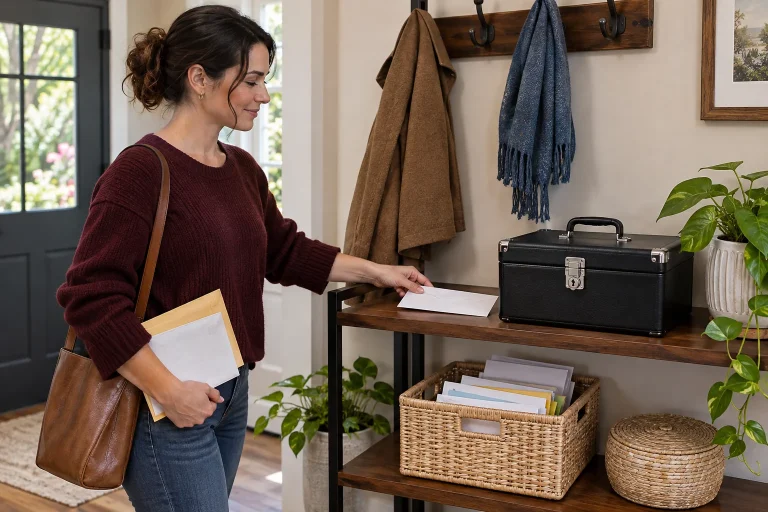
Different organizations have their own pickup and return rules. USPS guidance describes authorization requirements and exceptions for collecting another person’s mailpiece. Confirm the applicable service’s current process before promising collection; customer permission does not guarantee that every organization will release an item.
- Approved task, destination and completion window.
- Required pickup authority or documents.
- Spending limit and approved purchase method.
- Substitution, unavailable-item and waiting-time process.
- Receipt, item custody and handover confirmation.
- Excluded tasks and specialist referral boundaries.
Make spending approval explicit
Separate the business’s service fee from money spent on the customer’s behalf. Agree how purchases are authorized, evidenced and reconciled. Avoid asking for account passwords or unrestricted access to a customer’s bank or payment accounts.
Set a process for substitutions and unexpected costs. If the requested item is unavailable, the worker needs to know whether to pause, contact the customer or follow an approved alternative. A spending cap is only useful when staff understand what happens at the limit.
FTC gift-card scam guidance explains that demands to buy cards and share their codes can be fraudulent. Treat suspicious third-party payment instructions as a reason to stop and verify through a trusted channel. An errand business should not become an unquestioning intermediary for money transfers or gift-card code requests.
Price travel and waiting as real work
Include task clarification, travel, parking, queues, shopping, handover and receipt administration. A small purchase can require substantial time. Build costs from labor, vehicle operation, insurance quotations, payment arrangements and communication, using actual local information.
For a hypothetical route, assume shopping takes thirty minutes, a permitted collection takes twenty minutes, and travel and handover add seventy minutes. The route uses two hours before scheduling and reconciliation. If a queue adds forty minutes, that changes capacity even though the item count stays the same.
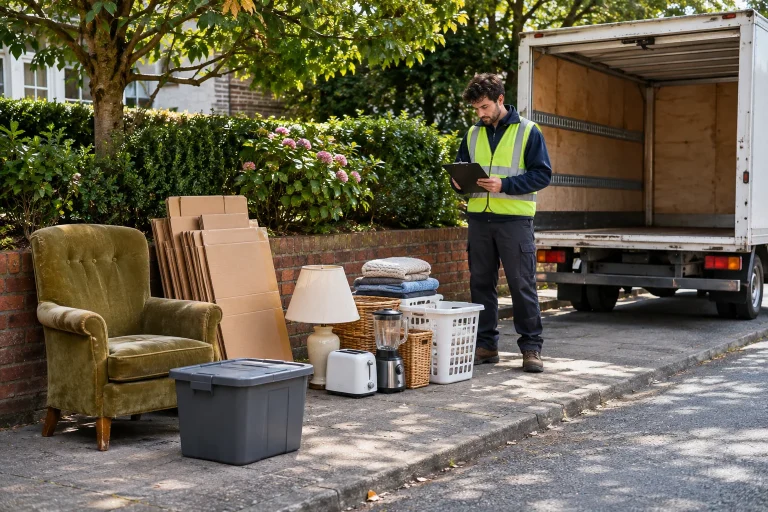
Do not combine errands solely because the addresses are nearby. Time windows, item handling and authorization can conflict. Food purchases, fragile items and valuable parcels need suitable handling arrangements within the business’s defined capability.
A hypothetical two-stop pilot
Imagine an operator offering approved grocery shopping and eligible parcel collection within a compact area. Assume local business requirements, transport arrangements and appropriate insurance have been checked. The customer provides a specific shopping list, a spending limit and the required collection authorization.
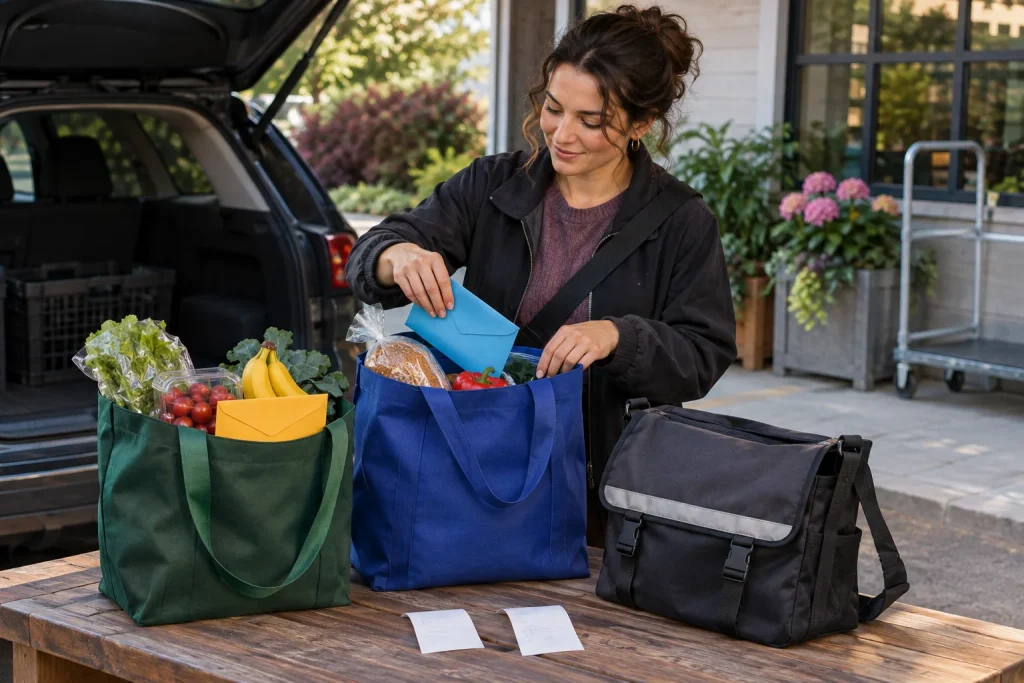
During the illustrative route, one grocery item is unavailable and the parcel counter has an unexpected queue. The operator follows the approved substitution and waiting-time process rather than making assumptions. Receipts and a handover confirmation document what was purchased and delivered.
The pilot record compares estimated and actual total time, travel and customer communications. It also records any task declined because permission or service scope was insufficient. This is a proposed validation method, not evidence of a completed customer engagement.
Grow from repeatable tasks
Check official local registration, vehicle-use and any activity-specific requirements before accepting paid work. Have an insurance professional review the actual errands, goods and transport arrangements. If customers request care, medication services or passenger transport, obtain the appropriate specialist advice rather than casually expanding the task list.
Repeat demand should be evaluated alongside route practicality and full costs. Keep customer addresses, purchase records and access instructions private and proportionate. A dependable errand offer gives customers useful help while preserving clear authority, spending limits and a verifiable handover.
Set a limit on how long goods remain in the operator’s custody. A missed handover can affect the next appointment and may create storage or handling questions. Agree the contact process and permitted next step in advance, particularly for purchases that cannot simply remain in a vehicle.
Keep each customer’s purchases and receipts distinguishable on a combined route. Convenience should not depend on reconstructing which item belongs to whom at the final stop. A simple authorized task record can identify the destination, approved substitutions and handover result while excluding private information the worker does not need.